
In San Diego’s mild climate, choosing between a heat pump and a natural gas furnace matters less for “can it heat the house?” and more for cost, emissions, and how well the system works with rooftop solar. Think of the choice like choosing a car: one might be cheaper to buy (a gas furnace) but more expensive to fuel over time and worse for the environment, while the other (a heat pump) may cost more upfront but use far less energy to do the same work—especially if you have solar panels.
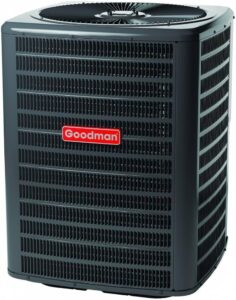 How Heat Pumps and Gas Furnaces Work
Heat Pumps: A heat pump moves heat rather than creating it by burning fuel. It uses electricity to extract warmth from outdoor air (or the ground) and brings it inside; its instantaneous efficiency is called COP—Coefficient of Performance (how many units of heat you get per unit of electricity). A COP of 3 means 3 units of heat for every 1 unit of electricity.
Gas Furnaces: A gas furnace burns natural gas and is rated by AFUE—Annual Fuel Utilization Efficiency (the percent of gas energy that becomes indoor heat). A 90% AFUE furnace converts about 90% of the gas energy into usable heat.
Upfront Cost Versus Operating Cost—A Short Story
Imagine two neighbors. Maria replaces an old gas furnace with a high-efficiency gas model because it was the cheapest quote, about the cost of a modest used car. Javier spends more to install a modern variable-speed heat pump, closer to the price of a newer car. For Maria, monthly bills on coldest months are stable but tied to gas prices. Javier sees lower electric heating use for much of the year; on sunny days his solar panels directly power the heat pump and cut his bills even more.
Typical installation ranges
- Heat pumps (central air-source replacements or new systems): often fall somewhere between roughly $5,000 and $18,000 depending on system type (single-zone vs. multi-zone, inverter/variable-speed technology, and whether your ducts need major work).
- Ductless mini-splits: commonly $3,000–$12,000 per zone depending on complexity.
- High-end geothermal systems: can be $20,000–$50,000+ given the ground loop work required.
- Gas furnaces (replacement): often in the lower range, roughly $3,000–$8,000 for typical high-efficiency units.
These ranges are rough because they vary with contractor rates, ductwork condition, and available rebates—so treat them as broad guidance, not a final quote.
If you would like a quote for your specific scenario, please do not hesitate to call me directly: Sam Lee, Liberty Air (760) 420-0868
Did California Ban Gas Furnaces?
No, as of early 2026, California has not issued a blanket statewide ban that prevents homeowners from buying and installing a gas furnace in every situation.
Instead, the state has adopted policies and incentives to accelerate electrification (encouraging heat pumps and other electric appliances), and the California Energy Commission and local jurisdictions have been updating building codes and incentive programs to favor electric HVAC. Those policy shifts make gas less attractive financially and in getting permits for many new projects, but they do not universally outlaw every new gas furnace installation across the state.
It’s also worth noting that in San Diego County, homeowners can generally still replace an existing natural gas furnace, but new construction and major remodels are increasingly steered toward all-electric systems. Local policy, building–permit rules, and generous electrification incentives make heat pumps the recommended long–term choice for most San Diego homeowners.
Efficiency And What Cop Means In Everyday Terms
Coefficient of Performance (COP—the ratio of heat delivered to electrical energy used) changes with outdoor temperature. But it also varies with the quality and design of the heat pump. In San Diego’s mild winters, air-source heat pumps generally keep a higher COP than they would in colder climates. This means that their seasonal performance typically delivers substantially more heat per unit of electricity than simple electric resistance heaters. This translates to large energy savings.
When you pair a heat pump with rooftop solar, the electricity the heat pump needs is often generated at home, so the effective cost per unit of heat falls even further. In many cases, this makes the heat pump cheaper per delivered unit of heat than a gas furnace.
In everyday terms, once you account for solar production, a heat pump in San Diego will usually use less purchased fuel (electricity or gas) to warm your house than a comparable gas furnace.
Solar Readiness — Why Heat Pumps Pair Well With Solar
Heat pumps run on electricity, so solar panels can directly offset their energy use. Picture running the heat pump during sunny afternoons to pre-heat or pre-cool the house while panels are producing the most power—that’s free or very low-cost heating and cooling.
A gas furnace, on the other hand, cannot use solar to replace its fuel. Solar can only offset the small electric loads (fans, controls) on a gas furnace. If you’re already installing or planning on solar, a heat pump usually raises the overall value of your system and cuts operating costs the most.
When A Gas Furnace Still Makes Sense
There are real-world reasons people keep gas: tight budgets, homes with very poor ductwork (which adds to heat pump retrofit cost), or landlords who prioritize lowest upfront price. Also, if someone plans no solar and local electricity prices are unusually high relative to gas, a gas furnace can look cheaper in the short term. But remember the story of regulations and resale: buyers increasingly prefer electric-ready homes, and local incentives can change the math quickly.
Practical Tips — Quick Checklist
- Get a Manual J load calculation (sizing based on your house, not rules of thumb).
- Ask contractors for system-level quotes (equipment + duct repairs + controls). Again, feel free to call me directly for a quote: Sam Lee, Liberty Air (760) 420-0868
- Check local and state rebates — California programs often reduce heat pump costs.
- Consider ductless mini-splits for rooms or additions, or variable-speed systems for whole-house comfort.
- If you have solar or plan to install it, favor electric heat pumps; consider adding a battery if you want more self-consumption or outage resilience.
Anecdote That Illustrates Lifecycle Thinking
A longtime San Diego homeowner I worked with replaced an aging furnace and was surprised at the heat pump quote. But after the first full year of his bills—especially the months after adding modest rooftop solar—he found winter heating costs had dropped noticeably. He also praised the improved humidity control and quieter operation. He later said: “Yeah, I thought it was a little expensive at first, but in retrospect I’m saving a significant amount. I expect the savings will cover the cost of the heat pump in less than 3 years. Plus, the house is more comfortable. I admit I was a skeptic about solar, but now I think it makes a lot more sense.”
Final Recommendation For San Diego Homeowners
For most San Diego homes, modern air-source heat pumps (particularly inverter-driven, variable-speed models) are the best long-term choice, especially if you have or plan to install solar. They align with California’s electrification trends, can lower operating costs over time, and pair directly with rooftop PV (i.e. photovoltaic—the technology that converts sunlight directly into electricity). Keep gas furnaces as a short-term, lower-upfront-cost option if budget or retrofit constraints are tight—but get multiple bids and compare lifecycle costs including incentives.
___________________________________
Sam Lee, Owner and Operator
Sam has 15 years of experience working with the air conditioning and refrigeration union, and 10 years of experience as an authorized service agent for Thermax Inc. This includes 19 years of experience working on absorption chillers. He now runs Liberty Air, and services all aspects of heating, air conditioning, and refrigeration installation, maintenance, and repair. Sam installs and services conventional natural-gas systems, modern heat pumps (including ducted and ductless systems) designed to work with rooftop solar. Sam also helps San Diego homeowners and businesses navigate California’s transition away from natural gas, R-22 refrigerant (chlorodifluoromethane) and the industry-wide phase-out of R 410A refrigerant, offering compliant replacement options, refrigerant conversions, HVAC retrofit, and energy-efficient upgrades.
