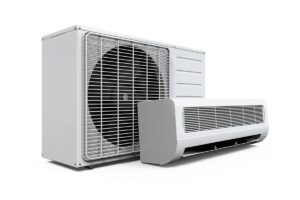
The Time for a Heat Pump is Now
If you live in California and you’re thinking about replacing your old HVAC equipment, now is a smart time to seriously consider a heat pump. Heat pumps move heat using electricity rather than making it by burning natural gas. Because of that they tend to be far more energy efficient, pair directly with rooftop solar (i.e. photovoltaic or PV—the technology on solar panels that converts sunlight into electricity), and help future-proof homes as state and local rules and incentives shift away from fossil fuels.
This article explains the practical reasons to switch now, uses real-world illustrations so the math feels intuitive, and gives conservative ranges for costs and savings so you can plan without surprises.
How a heat pump actually saves energy (clear, simple explanation)
A heat pump extracts heat from outside air (or the ground) and transfers it into your home when heating; it does the reverse for cooling. Its efficiency is measured by COP (coefficient of performance—heat delivered divided by electrical energy used). A COP of 3 means you get roughly three units of heat for each unit of electricity. By comparison, an electric resistance heater has a COP of about 1 (one-for-one), and even the best high-efficiency gas furnace loses energy in combustion and venting (rated by AFUE—annual fuel utilization efficiency—which is the percent of gas energy converted to useful heat).
Picture two neighbors in Encinitas. One replaces a 15-year-old gas furnace with a modern, high-efficiency furnace. The other replaces with a variable-speed heat pump. The heat-pump home typically uses less purchased fuel to maintain the same indoor temperature because the system transfers heat instead of creating it. That saves energy and often lowers monthly bills—particularly when the homeowner pairs the heat pump with solar panels.
Money talk — realistic cost and savings ranges
Upfront costs and operating savings vary, so I will use ranges rather than single numbers.
Installation costs:
Typical residential heat-pump installations in California vary based on equipment type and whether ducts need repair. For a whole-house air-source heat pump (variable-speed, inverter-driven) including labor and modest ductwork work, budget roughly $6,000–$18,000. Ductless mini-split systems (good for additions or homes without ducts) commonly range from about $3,000–$12,000 per zone. Ground-source (geothermal) systems can be substantially more, roughly $20,000–$50,000+, because of ground loop excavation.
Operating costs and savings:
Heat-pump energy use depends on home size, insulation, thermostat settings, and climate. In mild coastal California, whole-house heat-pump electricity use for heating and cooling often falls in the range of roughly 2,000–8,000 kWh/year. If switched from a gas furnace that used, say, 500–2,000 therms/year (a wide range reflecting different homes), your fuel bill swing depends on local gas and electricity rates. Because electricity prices and gas prices fluctuate, a practical approach is to model payback with a low–high range for utility costs. In many San Diego-area cases, homeowners see lower annual bills with heat pumps—especially once PV or incentives are included.
Why solar makes heat pumps even more attractive
PV (photovoltaic solar — rooftop panels) generates electricity while the sun shines. Because heat pumps run on electricity, daytime or on-peak solar generation can directly offset most of the compressor load. That means a homeowner who schedules pre-cooling or takes advantage of sunny daytime HVAC can dramatically lower midday bills. Batteries (home energy storage) let you shift that solar into the evening, increasing the fraction of HVAC energy covered by your system, but batteries add cost and should be sized to match your goals (backup, time-of-use savings, or full self-supply).
Real-world anecdote from Encinitas
A Liberty Air customer converted an older gas furnace to a two-zone ductless mini-split because their upstairs was always hot and inefficient. The homeowner installed a modest 5 kW PV array at the same time. During hot afternoons the mini-split ran mostly on solar, cutting peak daytime electric bills; nights still used grid power, but overall HVAC costs dropped noticeably. The homeowner pointed out that the combined comfort improvement and lower peak bills made the upgrade feel worth it within a few years, not just decades.
Future-proofing: policy trends and resale value
California has been steadily tightening building codes and encouraging electrification through incentives. Some California cities already limit gas hookups for new construction or require electric-ready wiring; utilities and state programs offer rebates for heat pumps. That trend makes electric systems a safer long-term choice: fewer regulatory headaches, potentially better incentives, and growing buyer preference for electric-ready homes. If you plan to sell in the next 5–15 years, an all-electric or electrification-ready home can be more attractive to buyers focused on lower operating costs and lower carbon footprints.
Comfort and health benefits (beyond dollars)
Modern heat pumps with variable-speed compressors and good controls often provide better humidity control, quieter operation, and more consistent temperatures than old single-stage systems. Because they don’t combust fuel inside the home, they also remove a source of indoor combustion pollutants—useful if someone in the household has asthma or other respiratory sensitivity.
Practical checklist before you make the switch
First, get a Manual J load calculation (a professional sizing calculation) so equipment matches your home’s actual needs. Have contractors evaluate ducts—leaky or undersized ducts can eat efficiency. Ask for system-level quotes that include duct repair, controls, and available rebates so you compare apples to apples. Finally, look up local incentives (SDG&E and California programs often reduce net cost) and consider whether rooftop solar or a modest battery makes sense for your goals.
When a gas furnace still makes sense
There are situations where keeping or replacing a gas furnace can be the pragmatic short-term choice: constrained budgets that allow only the lowest-cost, like-for-like furnace replacement; very poor existing electrical service that would require an expensive panel upgrade; or rental properties where owners prioritize lowest upfront cost. Even in those cases, get a heat-pump quote—rebates and improved equipment efficiency make many conversions more affordable than they first appear.
Final recommendation
If you value lower long-term bills, better comfort, and future compatibility with California’s electrification direction, switching to a heat pump now is a sensible move—especially in mild coastal climates like Encinitas. Use conservative ranges when you model payback, insist on proper sizing and ductwork checks, and factor in solar and incentives. If you want, Liberty Air can provide a two-option quote for your home: a high-efficiency gas furnace replacement and a heat-pump alternative (with ductwork and rebate estimates) so you can compare lifecycle costs directly.
What is Ground Loop Excavation?
Ground loop excavation is the process of digging trenches or drilling boreholes to install the buried piping (the “ground loop”) used in ground‑source (geothermal) heat pump systems. The loop circulates a water/antifreeze mix that exchanges heat with the earth, which stays at a relatively steady temperature year‑round.
Why it raises cost:
Drilling or trenching is labor‑ and equipment‑intensive, may require permitting and site surveys, and can involve restoring landscaping, driveways, or fencing. Rock, groundwater, or restricted access can increase complexity and price. These excavation and site‑preparation costs are the main reason ground‑source systems typically have higher upfront costs than air‑source heat pumps.

Sam Lee, HVAC and Heat Pump Specialist
Owner and Operator of Liberty Air (Encinitas, California)
Sam has 15 years of experience working with the air conditioning and refrigeration union, and 10 years of experience as an authorized service agent for Thermax Inc. This includes 19 years of experience working on absorption chillers. He now runs Liberty Air, and services all aspects of heating, air conditioning, and refrigeration installation, maintenance, and repair. Sam installs and services conventional natural-gas systems, modern heat pumps (including ducted and ductless systems) designed to work with rooftop solar. Sam also helps San Diego homeowners and businesses navigate California’s transition away from natural gas, R-22 refrigerant (chlorodifluoromethane) and the industry-wide phase-out of R 410A refrigerant, offering compliant replacement options, refrigerant conversions, HVAC retrofit, and energy-efficient upgrades.